George Mason is fueled by differences, but thrives in a shared dream: to change the world and create a better tomorrow. Our vision is your world, transformed.
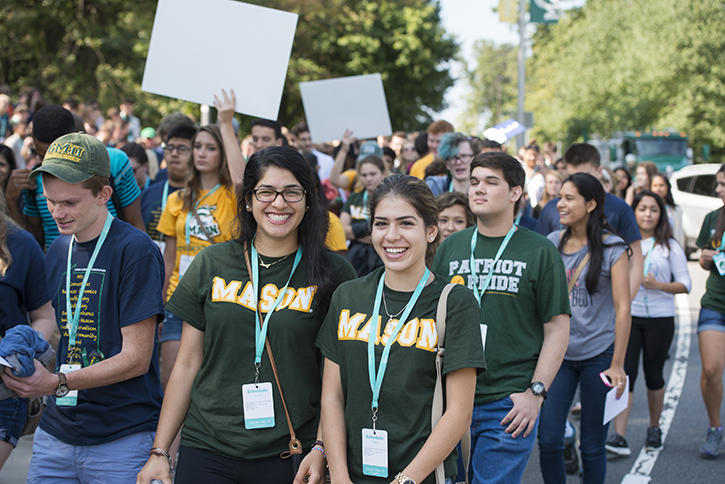
A Remarkable Student Body from All 50 States and 130 Countries
George Mason Welcomes All Together Different
As Virginia’s largest public research university, George Mason University provides a college experience like no other. George Mason offers more than 200 undergraduate and graduate degrees and numerous minors and certificate programs to customize your education and meet your career and personal goals. George Mason's six-year graduation rate exceeds the national average, with no disparity based on ethnicity or economic status.
Groundbreaking Research from One of the Youngest R-1 Ranked Universities
George Mason Thinks All Together Different
Every day, George Mason's faculty, staff, students, and partners work to solve pressing problems, illuminate important issues, and shape decisions on policy. They are driven by the urge to break new ground and have a meaningful impact in the world. Maybe that is why U.S. News and World Report ranks George Mason No. 1 in Virginia and No. 9 nationally among public institutions for innovation. George Mason is among the top ten in research growth among U.S. public universities, according to the National Science Foundation. The organization FIRE ranks George Mason in the top 20 nationally among public institutions for welcoming and fostering free speech. George Mason values thinking, speaking, and acting in ways that break the mold and create progress.
Over 20K Entrepreneurs Assisted Through Low-/No-cost Training Programs
George Mason Works All Together Different
The George Mason community extends beyond just the classroom, connecting with government, industry, and global opportunities. Through these connections, George Mason is able to make a larger impact on the economy and workforce by creating educational opportunities for professionals. Fuse, our 345,000 square foot development project in the innovation corridor of Arlington, will offer students, researchers, commercial partners, and technical vanguard an opportunity to take part in an immersive atmosphere of ideation and innovation. Mason Enterprise Center achieved $3.7 billion in economic impact in 2023 by providing training, counseling, and support for small businesses and entrepreneurs. The Mason Talent Exchange helps employers craft micro-credential programs to fill critical skill gaps.
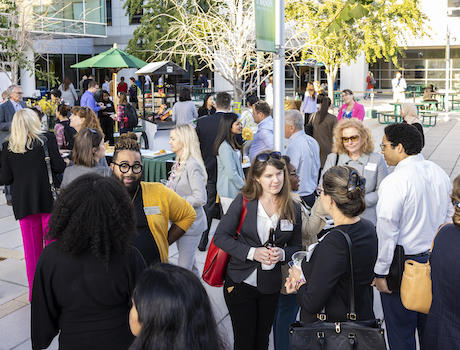
87% of Mason Grads Report Positive Career Outcomes
George Mason Delivers All Together Different
From health care to technology, nonprofits to government, George Mason's alumni are enacting change in the world today. Recent graduates become successful hires in top industries such as business or financial consulting, government or military-related industries, technology, health care, and education. Overall, 87 percent of recent graduates report they are on track for career-related employment, graduate school, or the military. George Mason's innovative faculty partner with aspiring minds across a variety of industries to bring about lasting change. These collaborations have resulted in interdisciplinary centers, institutes, and programs that are often unique or the first of their kind.
Our alumni go on to work with...